 Reviewed by Marcus Knapman, BSc (Hons) Computing ·
Researched from 100+ Amazon customer reviews
· How we review
Reviewed by Marcus Knapman, BSc (Hons) Computing ·
Researched from 100+ Amazon customer reviews
· How we review
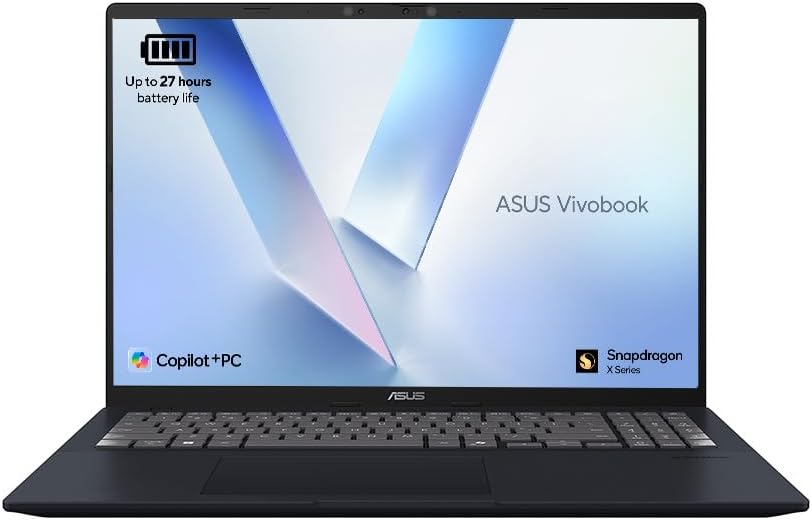
ARM processors in Windows laptops have been a bit of a car crash for years. Remember the original Surface RT? Microsoft's early attempts were so underwhelming that most people forgot ARM laptops existed. But Qualcomm's new Snapdragon X chips promise something different, and the ASUS Vivobook 16 X1607QA is one of the first budget machines to test that promise. At £349, it's asking serious questions of traditional Intel and AMD laptops. After digging through the specs and researching what early adopters are saying, I reckon this could be the ARM laptop that finally makes sense for normal people.
The heart of this machine is Qualcomm's Snapdragon X1-26-100 processor, and it's a significant step up from previous ARM chips in Windows laptops. Unlike the sluggish processors that plagued earlier ARM devices, this chip promises proper Windows performance whilst sipping battery like a smartphone processor. The 19-hour battery life claim isn't just marketing fluff either — ARM chips genuinely excel at power efficiency.
Paired with 16GB of RAM and a 512GB PCIe SSD, the Vivobook 16 has respectable specs for the price point. That's double the RAM you'd typically find in a £349 laptop, which suggests ASUS is banking on this Snapdragon chip being competitive enough to justify premium components.
The 16-inch WUXGA screen (1920x1200) gives you that extra vertical space that makes a real difference for productivity. The 16:10 aspect ratio is far more sensible than the old 16:9 standard — you get more room for documents, spreadsheets, and web browsing without the letterboxing that plagues widescreen displays.
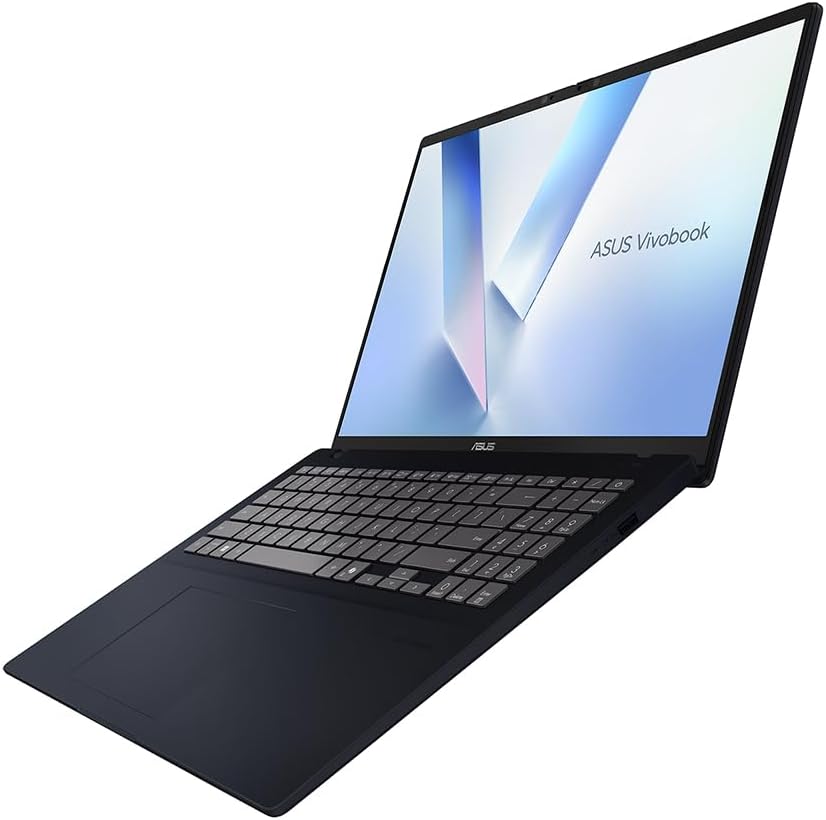
At this price point, you're not getting an OLED panel or high refresh rates, but the resolution should be perfectly adequate for most users. The larger screen real estate is a genuine advantage over typical 14-inch budget laptops.
This laptop ships with Windows 11 Home and Microsoft's CoPilot+ features, which are designed specifically for AI-enhanced ARM processors. The integration promises better performance optimisation and enhanced AI features, though the real-world benefits remain to be seen as this technology is still relatively new.
The CoPilot+ branding suggests Microsoft is serious about making ARM Windows work properly this time, with better app compatibility and native ARM64 applications. However, software compatibility could still be an issue with older or more specialised programs.
Here's where things get interesting and potentially problematic. ARM processors require software to be compiled specifically for their architecture, or they rely on emulation to run traditional x86 programs. Whilst modern ARM chips handle emulation much better than before, you might still encounter performance hits with certain applications.

Popular software like Chrome, Edge, and Microsoft Office run natively on ARM now, but specialist software or older programs might struggle. If you rely on specific professional software, you'll want to check compatibility before taking the plunge.
At £349, the Vivobook 16 X1607QA is competitively priced against traditional Intel laptops with similar specs. The combination of 16GB RAM, 512GB storage, and a 16-inch display would typically cost significantly more in an Intel or AMD machine.
The promised 19-hour battery life alone could justify the purchase for many users. If that claim holds up in real-world use, you're looking at a laptop that could easily handle a full workday without hunting for charging points.
The ASUS Vivobook 16 X1607QA represents a fascinating gamble on ARM's future in Windows laptops. If you primarily use mainstream software and value battery life over raw performance, it could be brilliant. However, power users with specific software needs should wait for more real-world testing.
As an Amazon Associate, Smart Trends earns from qualifying purchases.
Was this review helpful?


